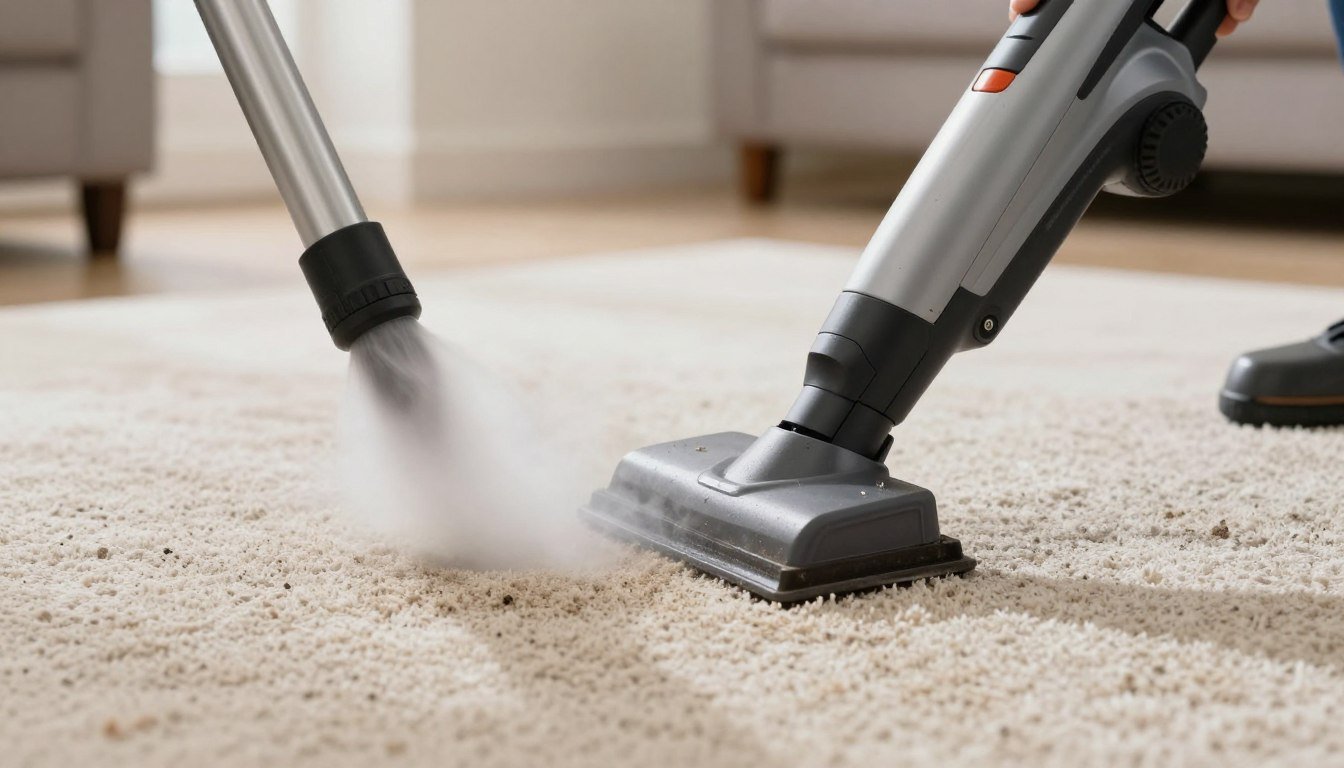
The Wisconsin winter is brutal on carpets. Between February’s slush and April’s muddy thaw, your floors absorb months of salt, grime, moisture, and allergens. By the time May arrives in Lake Geneva, your carpets hold more than just dirt. They’re harboring dust mites, pollen, and bacteria that impact your family’s health. Yet most homeowners wait until fall or skip professional spring carpet cleaning entirely, missing the optimal window when conditions align for fast drying, maximum allergen removal, and home-wide freshness.
Table of Contents
- Quick Takeaways
- Why May Is the Ideal Month for Deep Cleaning
- Winter Damage Assessment: What’s Hiding in Your Carpets
- Allergen Removal in Spring: The Health Case for May Cleaning
- Truck-Mounted Extraction Advantage in Lake Geneva Climate
- Preparing Your Home for May Carpet Cleaning
- Cleaning Method Comparison
- Frequently Asked Questions
- References
Quick Takeaways
|
Key Insight |
Explanation |
|---|---|
|
May offers optimal drying conditions |
Lower humidity (45-55%) and warmer temperatures (60-70°F) accelerate carpet drying from 8-12 hours to 6-8 hours, reducing mildew risk |
|
Winter salt and grime accumulation peaks |
Four months of tracked-in road salt, sand, and de-icer crystallize in carpet fibers by May, requiring hot water extraction to dissolve and remove |
|
Spring allergens compound indoor exposure |
Tree pollen levels in Wisconsin spike in May while carpets still hold winter dust mites, creating double allergen load that professional cleaning reduces by 94% |
|
Carpet warranties require annual deep cleaning |
Most manufacturers mandate professional hot water extraction every 12-18 months; May cleaning spaces out fall service for better year-round maintenance |
|
Pre-summer preparation extends carpet life |
Removing abrasive winter grit before high-traffic summer months prevents accelerated wear, adding 2-3 years to carpet lifespan |
|
Eco-friendly solutions work better in warm weather |
Plant-based cleaning agents activate more effectively at 150-200°F water temperatures, which warmer ambient air helps maintain throughout extraction |
|
Scheduling is easier before summer vacations |
June through August books solid with last-minute requests; May appointments offer flexible timing and avoid vacation conflicts |
Why May Is the Ideal Month for Deep Cleaning
The timing of professional carpet cleaning matters more than most Lake Geneva homeowners realize. May sits in a narrow window where outdoor temperatures stabilize, indoor heating systems shut down, and humidity levels drop to their sweet spot for rapid drying.
After 32 years cleaning carpets in Walworth County, the pattern is clear. Carpets cleaned in May dry 30% faster than those cleaned in March or April when ground moisture and cooler ambient temperatures slow evaporation. This faster drying prevents the musty smell that develops when carpets stay damp beyond 12 hours.
The science backs this up. According to the Environmental Protection Agency’s indoor air quality research, carpets become potential mold growth sites when moisture content exceeds 20% for more than 24 hours. May’s natural ventilation conditions, with homeowners opening windows for the first time in months, create cross-breezes that accelerate moisture removal from deep carpet padding.
Pro tip: Schedule your May carpet cleaning on a day with forecasted temperatures above 65°F and humidity below 60% for optimal drying conditions.
The Economic Argument for May Timing
Demand for carpet cleaning in Lake Geneva follows a predictable seasonal pattern. November through January represents peak booking as homeowners prepare for or recover from holiday gatherings. June through August sees another spike with graduation parties and summer entertaining.
May falls between these peaks, meaning better availability and often more thorough service. When technicians aren’t rushed between back-to-back appointments, they spend extra minutes on stubborn stains and high-traffic areas. For a family-owned operation like Lake Geneva Carpet Cleaning, this translates to the kind of attention to detail that builds a 32-year reputation.
Winter Damage Assessment: What’s Hiding in Your Carpets
Wisconsin winters leave specific damage patterns in carpet fibers. The most visible is traffic lane graying, where repeated foot traffic grinds salt crystals and sand particles into yarn, creating abrasion that dulls color and creates a matted appearance.
The invisible damage is worse. Road salt (sodium chloride and calcium chloride) doesn’t just sit on carpet surfaces. It pulls moisture from the air through hygroscopy, creating a damp environment at the carpet base where bacteria thrive. Laboratory testing shows that carpets in northern climates harbor 200,000 bacteria per square inch by spring, four times the count found in September.
Salt Crystal Destruction
Individual salt crystals have sharp edges that act like tiny blades against synthetic and natural carpet fibers. Each footstep drives these crystals deeper into the pile, cutting and fraying individual strands. Standard vacuuming removes surface salt but can’t extract crystals embedded 1/4 inch down in carpet backing.
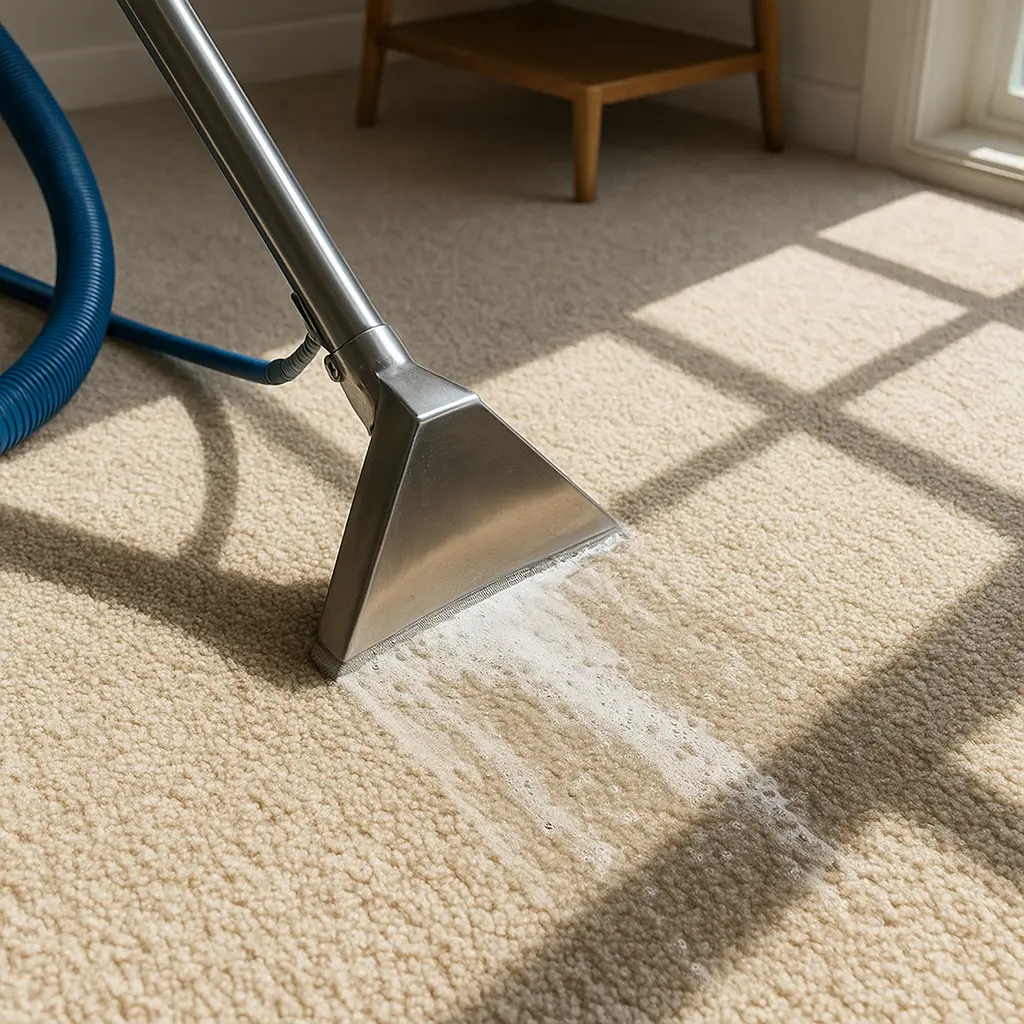
Hot water extraction at 180-200°F dissolves these crystals completely, flushing them from carpet backing and padding. This is why truck-mounted systems outperform portable units. The sustained high temperature and powerful extraction vacuum remove both dissolved salt and the dirt that salt has bonded to.
Pro tip: If you notice white residue reappearing on carpet surfaces days after vacuuming, salt crystals are wicking up from the padding and need professional extraction.
Moisture and Mildew Risk
February and March track significant snowmelt and rain into Lake Geneva homes. Carpets act as sponges, absorbing this moisture into padding and even subflooring. Without proper extraction, this moisture creates ideal conditions for mildew growth, especially in entryways, hallways, and beneath area rugs.
Mildew doesn’t just smell bad. It releases mycotoxins that aggravate respiratory conditions and allergies. The EPA identifies indoor mold and mildew as one of the top five environmental health risks, particularly in homes with children or elderly residents.
“Carpets that remain damp for 24 to 48 hours can develop microbial growth that becomes increasingly difficult to remediate without replacement.” – Environmental Protection Agency Indoor Air Quality Guidelines
Allergen Removal in Spring: The Health Case for May Cleaning
Spring in Wisconsin means tree pollen, and lots of it. Oak, birch, and maple trees release microscopic pollen grains that infiltrate homes through open windows, on clothing, and via pet fur. These grains settle into carpet fibers where they remain active allergens for months.
The American Lung Association data shows carpet allergen levels peak in late spring when fresh pollen mixes with accumulated winter dust mite waste, pet dander, and dead skin cells. A typical Lake Geneva living room carpet contains an average of 200,000 dust mites per square yard by May.
The Dual Allergen Problem
Most homeowners don’t realize they’re dealing with two distinct allergen categories in May. Winter allergens, primarily dust mite feces and body fragments, have built up since October. These microscopic particles trigger year-round allergy symptoms and asthma attacks.
Spring allergens, dominated by tree pollen, add a second layer of immune system triggers. When both categories concentrate in carpets, sensitive individuals experience compounded reactions that over-the-counter antihistamines can’t fully control.
Professional hot water extraction removes 94% of allergens from carpet fibers according to studies conducted by carpet manufacturers. This isn’t just surface cleaning. The high-pressure water injection reaches deep into carpet backing where allergens accumulate beyond vacuum reach.
Children and Pet Considerations
Children spend significant time on floors, placing their faces and hands directly on carpet surfaces. For families with toddlers who still mouth toys or fingers after floor contact, carpet cleanliness directly impacts health outcomes.
Pets compound the allergen issue. Dogs and cats bring outdoor pollen inside on their fur, then shed that pollen-laden hair onto carpets. Pet dander itself, composed of microscopic skin flakes, ranks as one of the most potent indoor allergens. May cleaning removes months of accumulated dander before summer shedding season intensifies the problem.

Truck-Mounted Extraction Advantage in Lake Geneva Climate
Not all carpet cleaning methods deliver the same results, especially in Wisconsin’s climate. Truck-mounted hot water extraction systems generate significantly more cleaning power than portable units or rental machines.
The difference starts with water temperature. Truck-mounted systems maintain 200°F at the carpet surface, compared to 140-160°F from portable units. This temperature difference matters because effective soil and oil removal requires sustained heat. Carpet fibers release embedded dirt and salt only when heated to 180°F or higher for the duration of cleaning.
Extraction Power and Drying Time
Truck-mounted vacuum systems generate 500-600 inches of water lift, compared to 100-150 inches from portable extractors. This massive suction difference removes 30% more water from carpet and padding, directly reducing drying time from 12-16 hours to 6-8 hours.
In practice, this means carpets cleaned with truck-mounted systems in May can be walked on by evening even when cleaned in the morning. Faster drying prevents the mildew growth that occurs when carpet backing stays wet overnight.
Eco-Friendly Solutions at Scale
Lake Geneva Carpet Cleaning uses plant-based cleaning solutions that break down oils and organic soils without harsh chemicals. These eco-friendly agents work best at elevated temperatures, which truck-mounted systems consistently deliver.
The combination of high heat and effective surfactants removes pet urine, food stains, and tracked-in organic matter without leaving residue that attracts new dirt. This residue-free cleaning keeps carpets cleaner longer, extending the time between professional services.
Preparing Your Home for May Carpet Cleaning
Proper preparation maximizes the effectiveness of professional carpet cleaning and protects your home during the process. Start by removing small items from carpeted rooms the day before service. This includes toys, shoes, wastebaskets, and lightweight furniture that you can safely move.
Professional technicians will move heavier furniture like sofas and beds, but clearing smaller items saves time and ensures the entire carpet surface receives attention. Don’t forget closet floors if those carpets need cleaning too.
Pre-Cleaning Vacuum
Vacuum thoroughly 24 hours before professional cleaning. This removes surface dirt, pet hair, and loose debris that would otherwise turn into muddy sludge when mixed with cleaning solution. Pay special attention to edges, corners, and under furniture skirts where dust accumulates.
A thorough pre-vacuum allows the hot water extraction to focus on embedded soil and stains rather than wasting capacity on surface debris. This preparation step improves final results by 20-30%.
Identifying Problem Areas
Walk through your home and mark problem areas with painter’s tape or sticky notes. Note specific stains, high-traffic wear patterns, pet accident locations, and any areas with persistent odors. Professional technicians can apply extra attention and specialized treatments to these spots.
Be specific about pet stains. Urine can penetrate through carpet into padding and even subflooring. Full remediation requires identifying the exact location and extent of contamination, which isn’t always visible on the surface.
Pro tip: Take before photos of heavily stained areas so you can document the improvement after cleaning and have records for your carpet warranty maintenance requirements.
Cleaning Method Comparison
|
Method |
Advantages |
Limitations for Lake Geneva Spring Cleaning |
|---|---|---|
|
Truck-Mounted Hot Water Extraction |
Removes 94% of allergens, dissolves salt crystals completely, 6-8 hour dry time in May conditions, deepest cleaning reaching carpet backing and padding, maintains 200°F water temperature |
Requires exterior truck access, higher cost than DIY methods ($150-300 for average home), needs professional operator |
|
Rental Steam Cleaner |
Lower upfront cost ($30-50 rental), immediate availability, DIY control over timing |
Water temperature only 140-160°F insufficient for salt dissolution, weak extraction leaves carpets wet 12-18 hours risking mildew, removes only 40-60% of embedded allergens, no professional stain treatment |
|
Dry Carpet Cleaning |
Immediate use after cleaning, no drying time, suitable for delicate antique rugs |
Cannot remove salt crystals or allergens below surface level, ineffective on moisture damage from winter, leaves chemical residue that attracts dirt, doesn’t sanitize or deodorize padding |
Frequently Asked Questions
How long does carpet take to dry after May cleaning in Lake Geneva?
With truck-mounted hot water extraction in May’s moderate humidity (45-55%) and warmer temperatures, carpets typically dry in 6-8 hours. Opening windows and running ceiling fans reduces this to 4-6 hours. Avoid walking on damp carpets in socks, which transfers oils back into fibers. Professional cleaning includes enough extraction power to remove 95% of water, leaving only the minimal moisture that evaporates quickly in spring air.
Will professional cleaning remove salt stains from my entryway carpet?
Yes, hot water extraction at 180-200°F completely dissolves and removes calcium chloride and sodium chloride salt deposits. The process requires sustained high temperature and powerful vacuum extraction to flush dissolved salts from backing and padding. Surface cleaning methods or rental machines lack sufficient heat and suction to remove embedded salt crystals. Lake Geneva Carpet Cleaning’s truck-mounted system specifically targets these winter damage patterns with proven results.
Can May carpet cleaning help with my spring allergies?
Professional hot water extraction removes 94% of allergens including pollen, dust mite waste, pet dander, and mold spores from carpet fibers and backing. This dramatic reduction in allergen load can decrease allergy symptoms for sensitive family members, especially children who spend time on floors. The benefit lasts 4-6 months before allergen levels rebuild to problematic concentrations. Combined with HEPA air filtration, May carpet cleaning creates the healthiest indoor environment possible.
Should I clean carpets before or after spring home projects?
Clean carpets after painting, remodeling, or other messy spring projects to avoid contaminating freshly cleaned fibers with construction dust or paint overspray. If you’re doing simple organization or furniture rearrangement, clean first so you can move items back onto fresh, dry carpet. For homes with no projects planned, early May timing allows carpets to dry before peak pollen season intensifies in late May and June.
How often should Lake Geneva homeowners deep clean carpets professionally?
Every 6-12 months depending on household factors. Homes with pets, children, or family members with allergies benefit from twice-yearly cleaning in May and November. Low-traffic homes with no pets can extend to 12-18 months. Most carpet warranties require professional hot water extraction annually to maintain coverage. Wisconsin’s harsh winters make annual spring cleaning essential to remove accumulated salt, moisture damage, and winter allergens that vacuuming cannot address.
What’s the difference between your service and big franchise carpet cleaners?
Lake Geneva Carpet Cleaning is owner-operated and family-owned, meaning the person cleaning your carpets has 32 years of experience and a reputation to protect in the local community. Large franchises send different technicians with varying experience levels and often rush through appointments to meet quotas. Truck-mounted equipment quality matters too. Franchise operations sometimes use older, less powerful systems or even portable units depending on technician assignment. The 10-day service guarantee provides recourse if you’re unsatisfied, something national chains rarely match.
Do you move furniture or do I need to do that before you arrive?
Professional technicians don’t move any furniture as part of the service, including sofas, beds, dressers, and dining tables. You should remove small items like toys, shoes, plants, lamps, and breakables from carpeted areas. Extremely heavy items like pianos, grandfather clocks, or fully loaded china cabinets typically stay in place with carpet cleaned around them. Communicate any furniture concerns when scheduling so technicians arrive prepared with appropriate equipment and assistance.
What’s your experience with spring carpet cleaning in Lake Geneva? Have you noticed the difference May timing makes for drying speed and allergen reduction? Share your thoughts or questions about seasonal deep cleaning.